
 English

-
 In Stock0
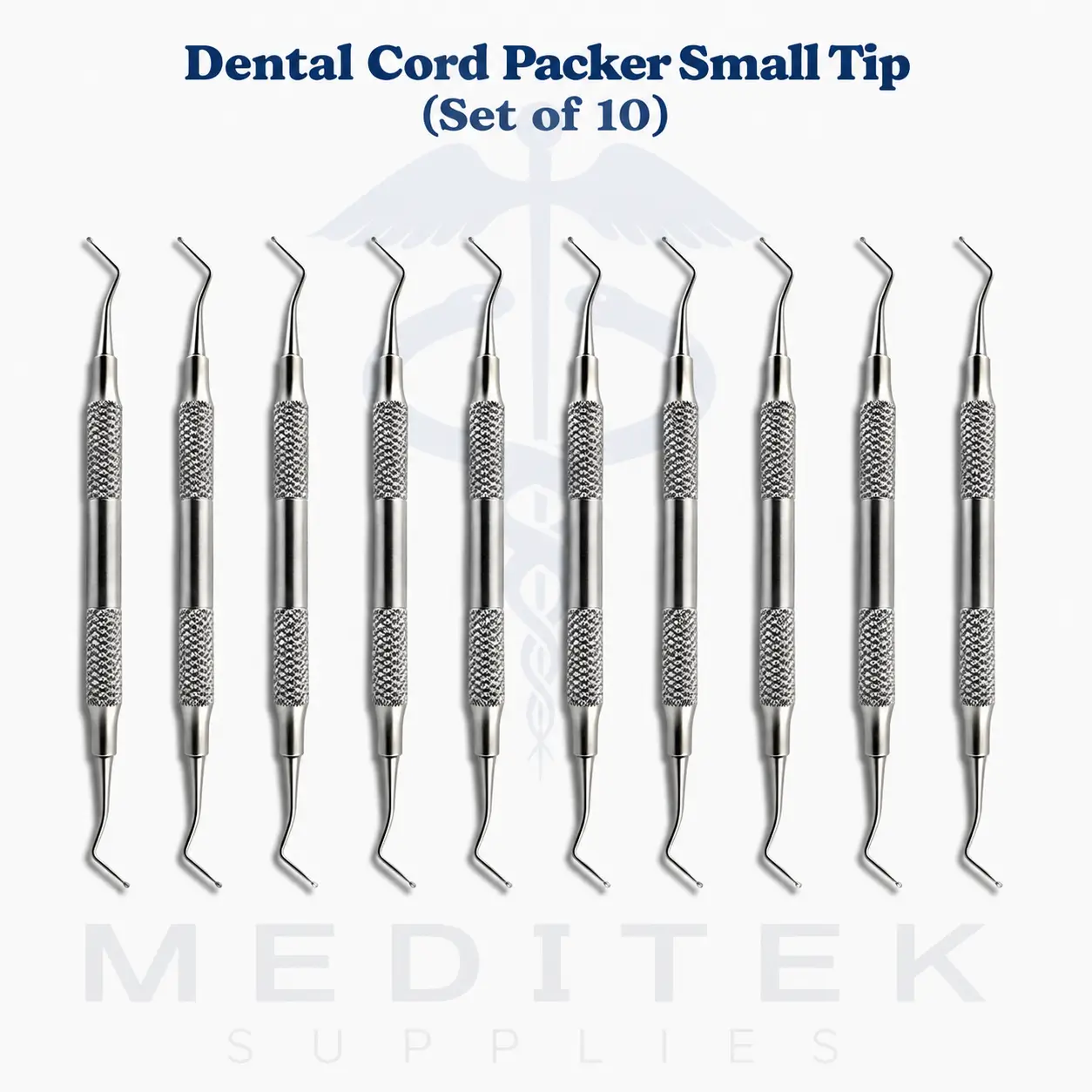
10 PCs Dental Cord Packer Small Tip Gingival Atraumatic Retraction Instruments
$99.99
300 in stock (can be backordered)
Title Qty After Discount Price Buy 2 Get 5% Discount 2 $94.99 Buy 3 Get 8% Discount 3 $91.99 Buy 4 Get 10% Discount 4 + $89.99 -
 In Stock0
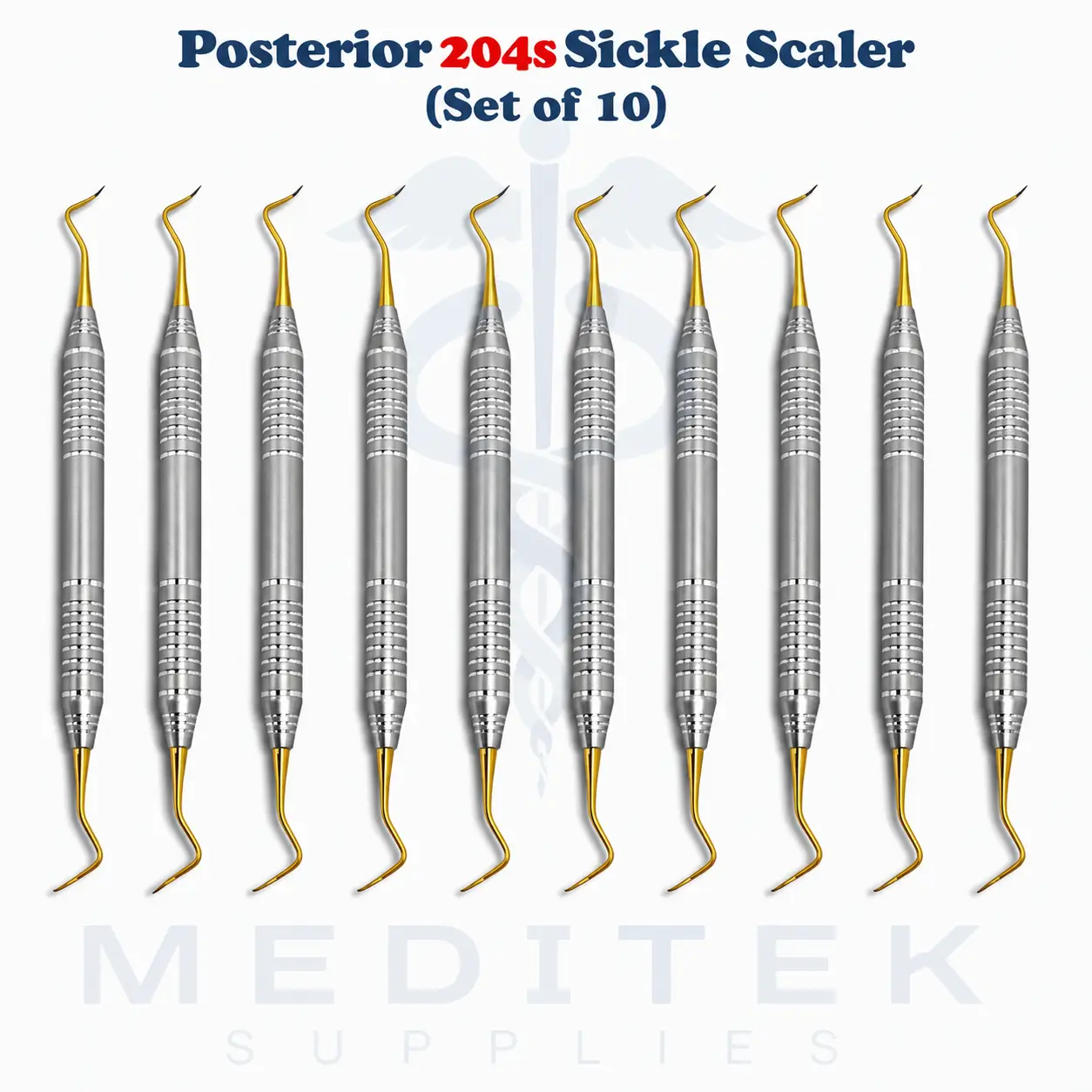
10 PCs Dental Scaler Posterior Sickle #204S Instruments
$99.99
100 in stock (can be backordered)
Title Qty After Discount Price Buy 2 Get 5% Discount 2 $94.99 Buy 3 Get 8% Discount 3 $91.99 Buy 4 Get 10% Discount 4 + $89.99 -
 In Stock0
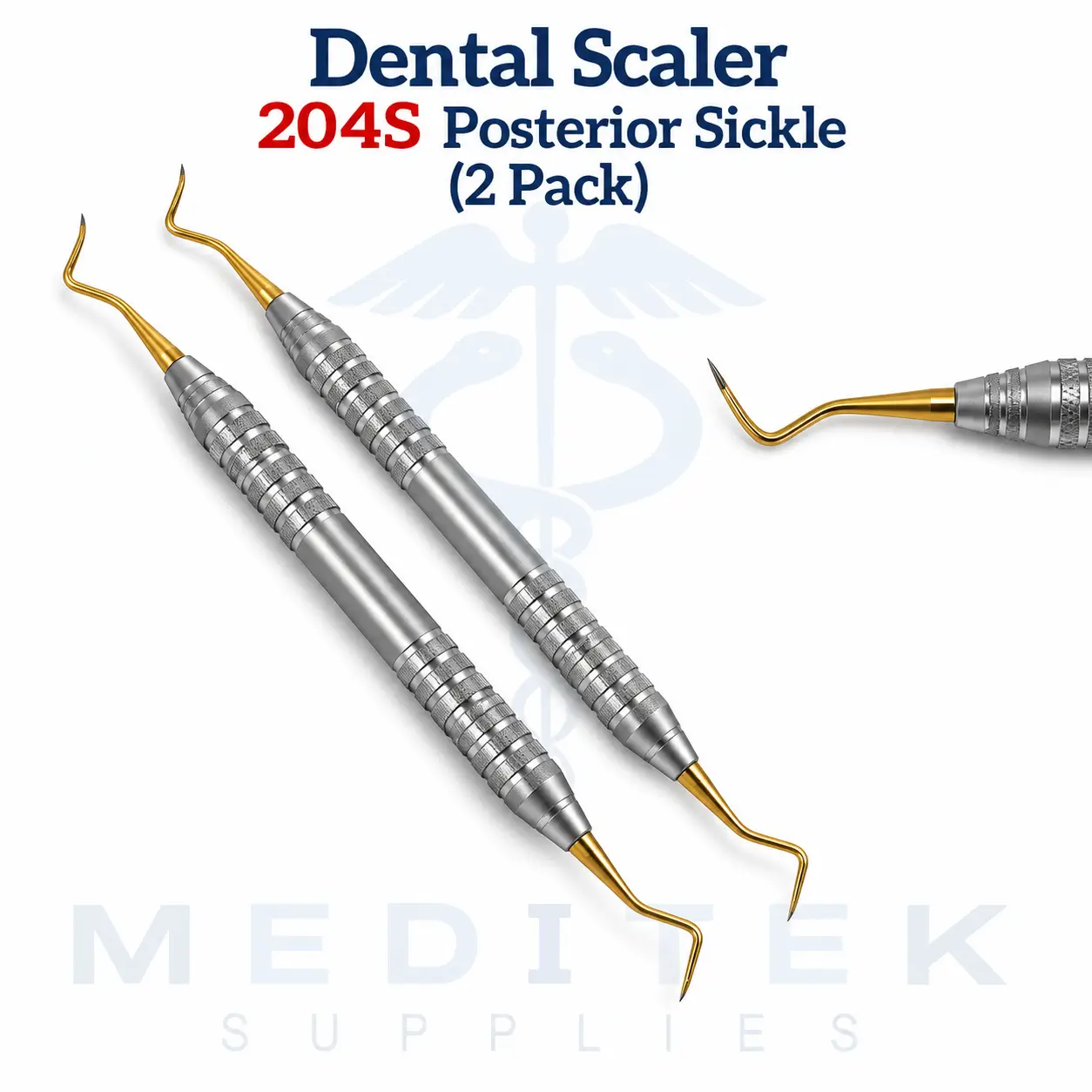
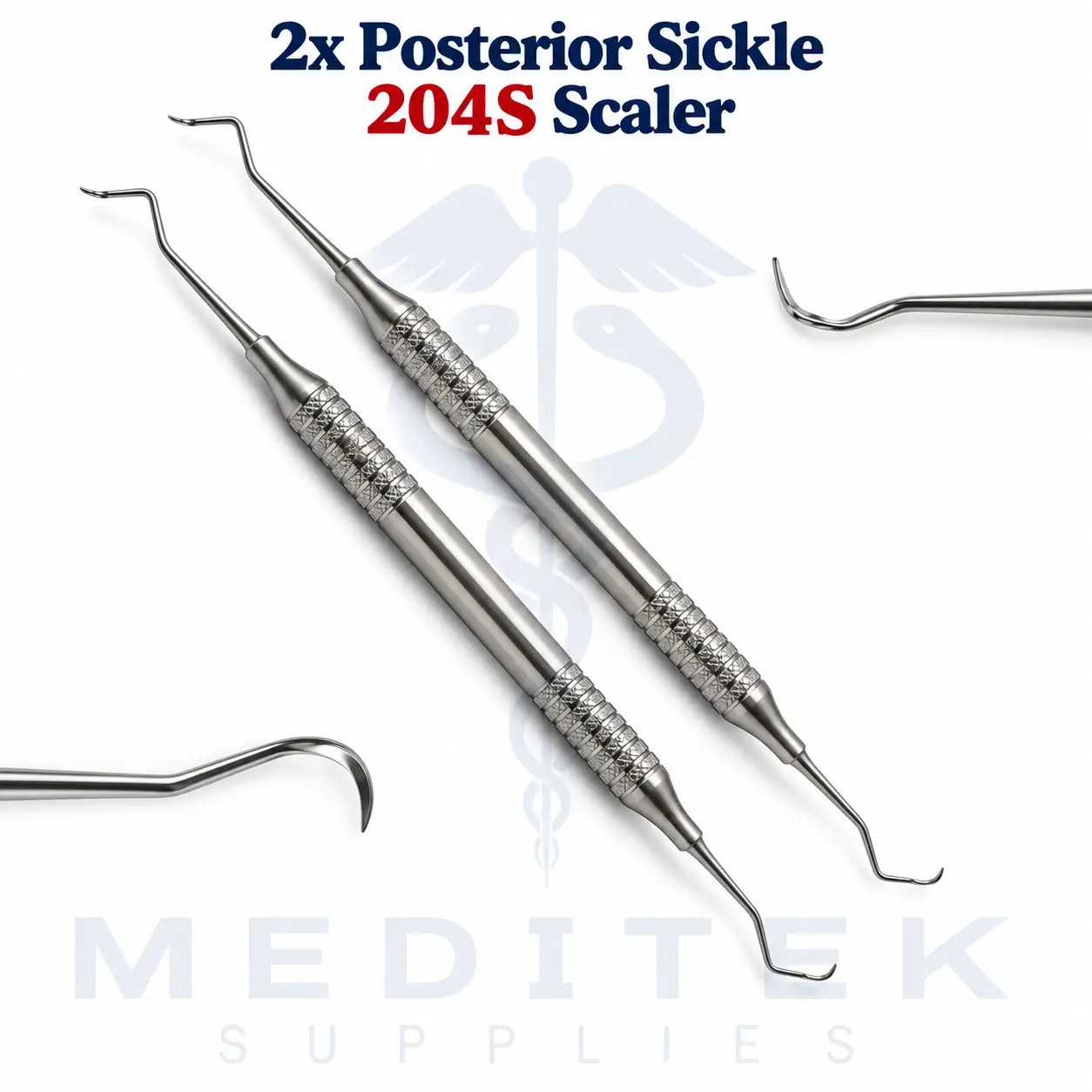
204S Posterior Sickle Dental Scalers 2 Pack
$24.99
482 in stock
Title Qty After Discount Price Buy 2 Get 5% Discount 2 $23.74 Buy 3 Get 8% Discount 3 $22.99 Buy 4 Get 10% Discount 4 + $22.49 -
 In Stock0
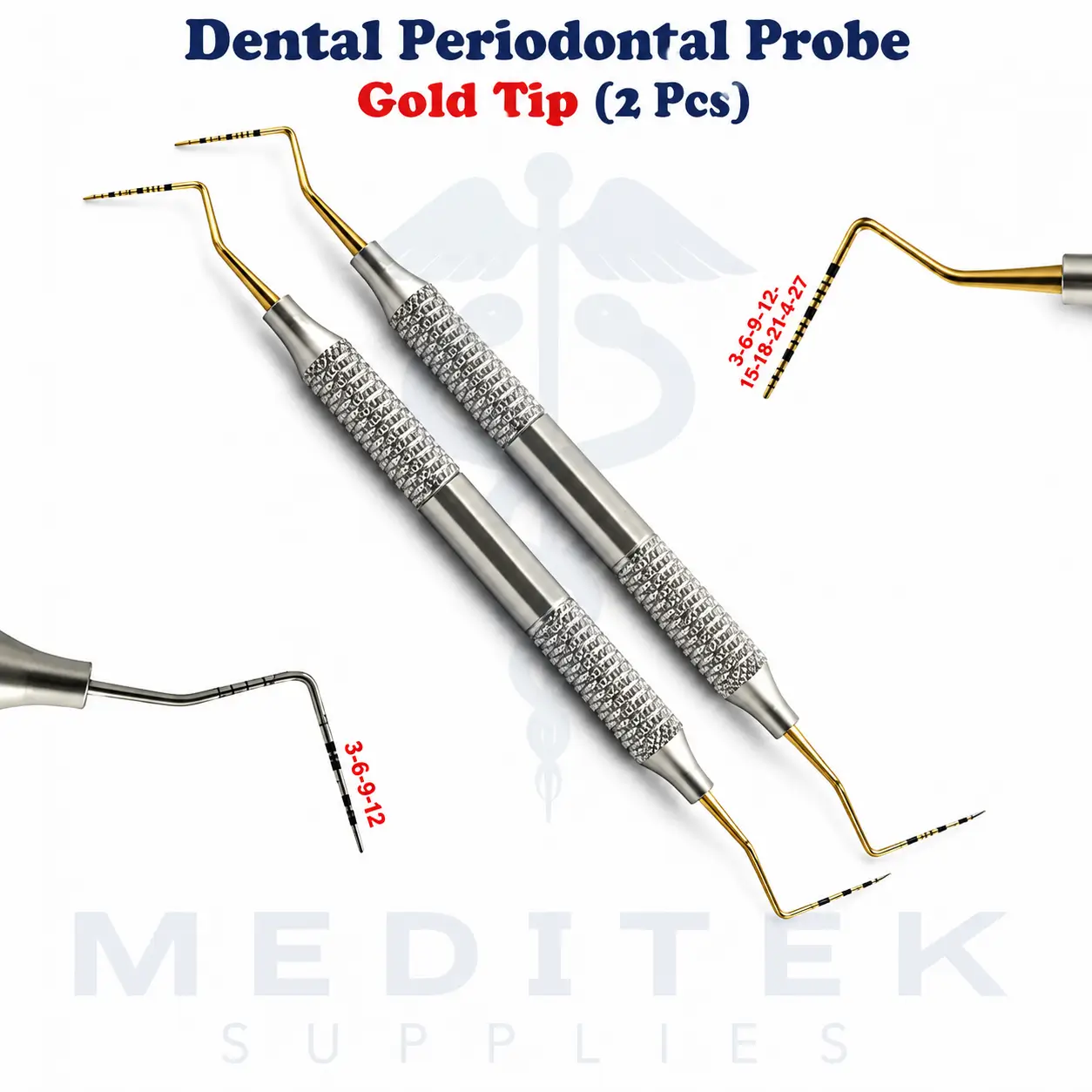
2pcs Gold Tip UNC15/CP12 Dental Periodontal Probes
$24.99
100 in stock
Title Qty After Discount Price Buy 2 Get 5% Discount 2 $23.74 Buy 3 Get 8% Discount 3 $22.99 Buy 4 Get 10% Discount 4 + $22.49 -
 In Stock0
2x Dental Scaler 204S Posterior Sickle – Buy 4 Get 1 Free CE
$24.99
300 in stock
Title Qty After Discount Price Buy 2 Get 5% Discount 2 $23.74 Buy 3 Get 8% Discount 3 $22.99 Buy 4 Get 10% Discount 4 + $22.49 -
 In Stock0
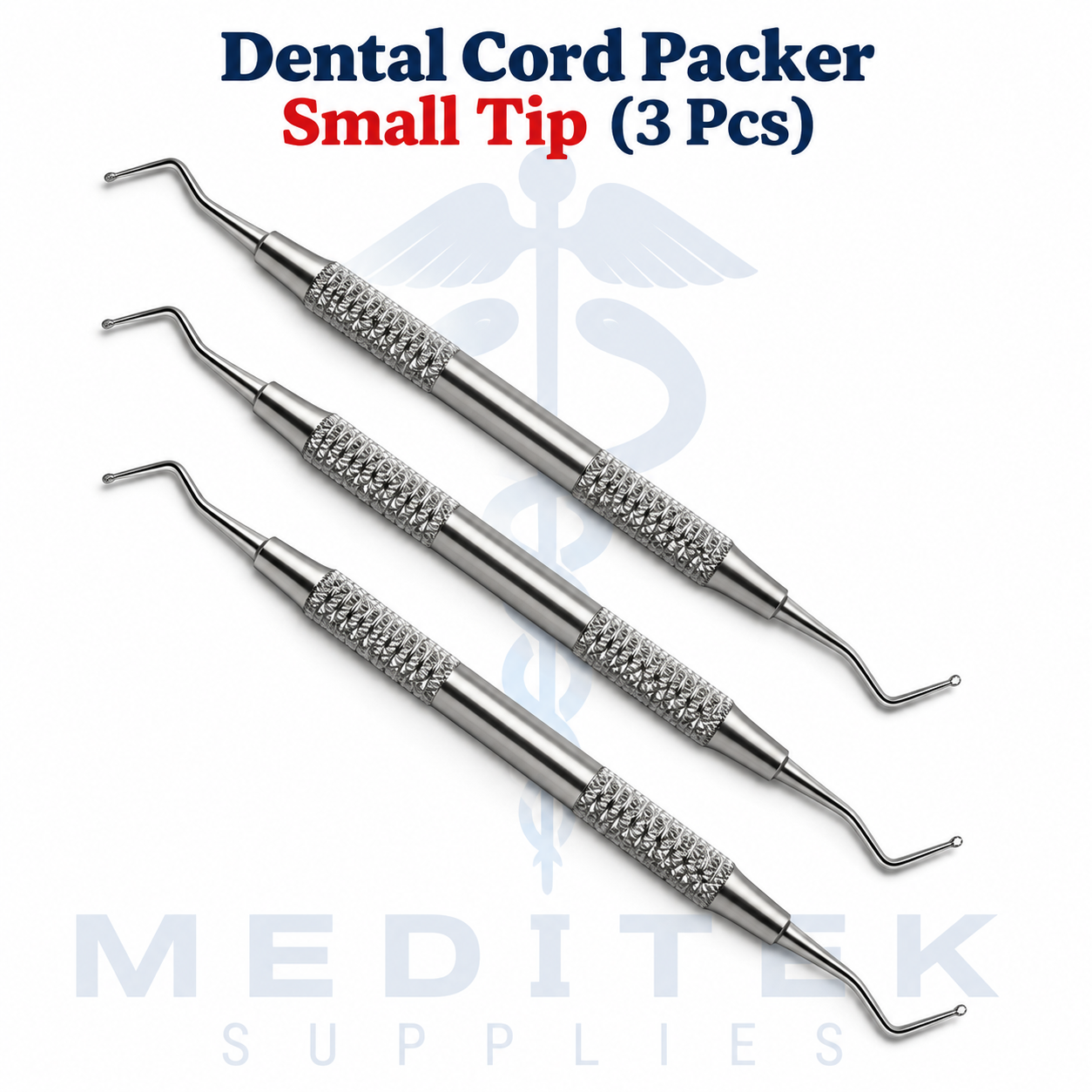
3 PCs Dental Cord Packer Small Tip Gingival Atraumatic Retraction Instruments
$29.99
100 in stock (can be backordered)
Title Qty After Discount Price Buy 2 Get 5% Discount 2 $28.49 Buy 3 Get 8% Discount 3 $27.59 Buy 4 Get 10% Discount 4 + $26.99 -
 In Stock0
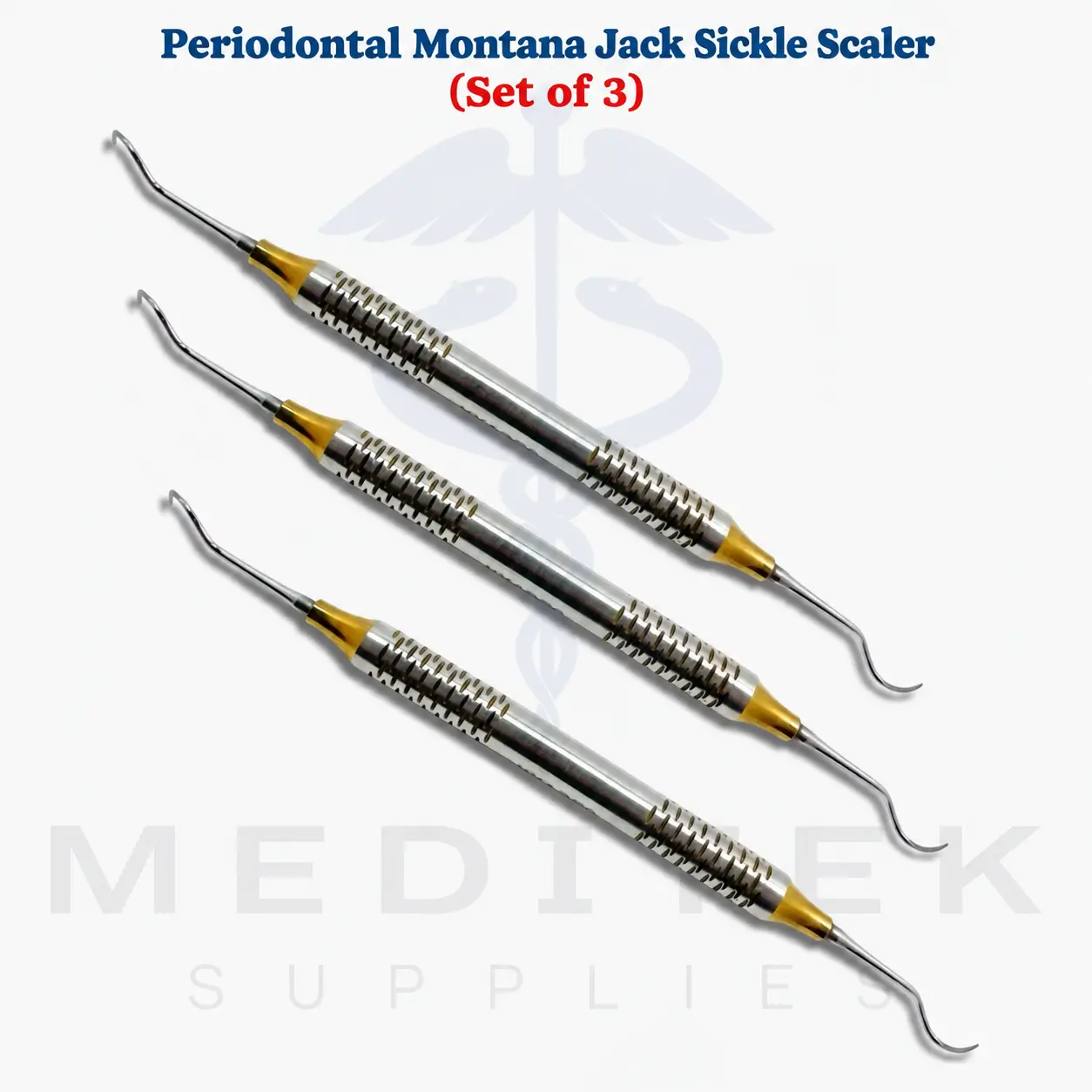
3 X Periodontal Montana Jack Sickle Scaler Light Double Ended Dental Instruments
$49.99
150 in stock (can be backordered)
Title Qty After Discount Price Buy 2 Get 5% Discount 2 $47.49 Buy 3 Get 8% Discount 3 $45.99 Buy 4 Get 10% Discount 4 + $44.99 -
 In Stock0
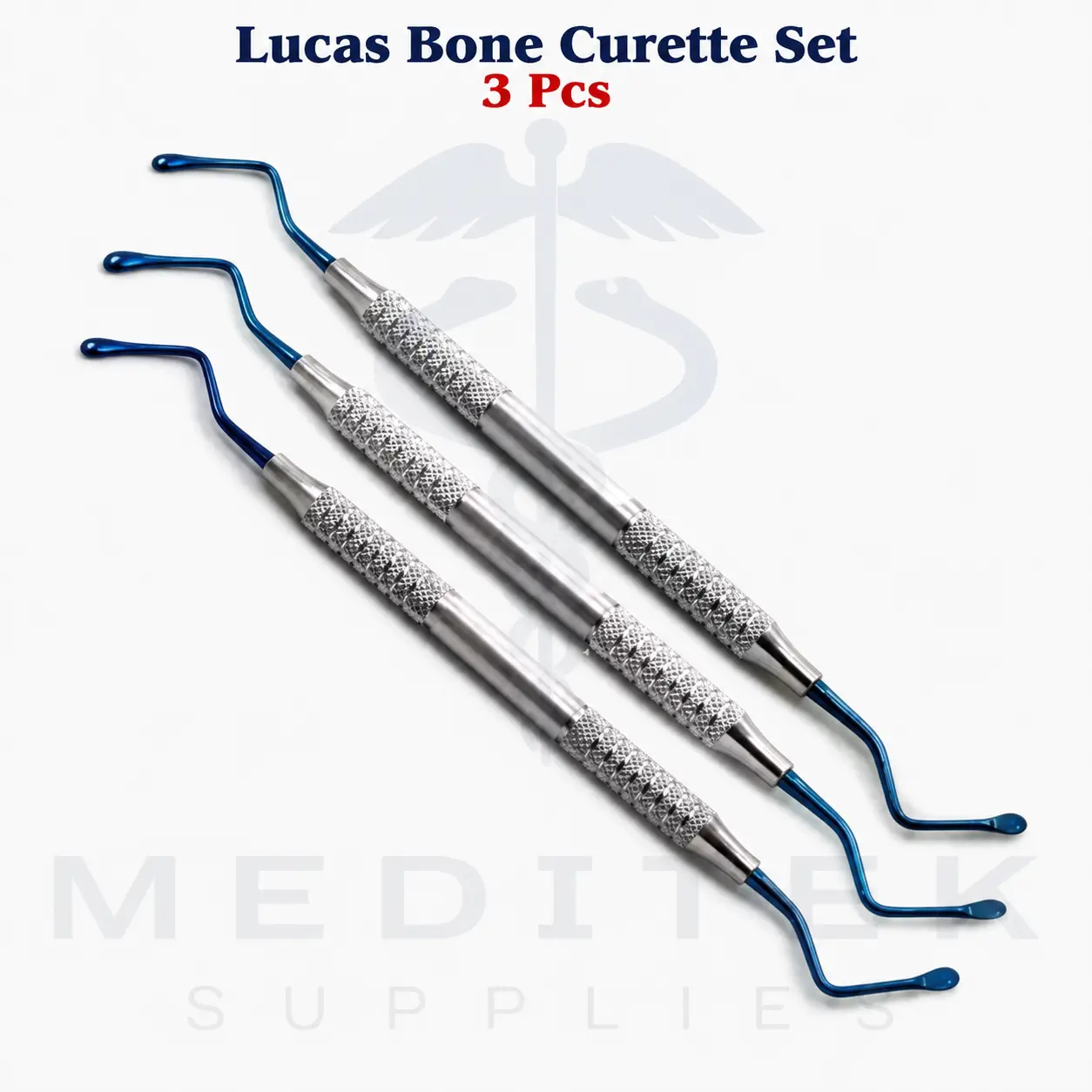
3-Pcs Lucas Bone Curette Set – Blue Tip for Cyst Removal
$31.44
9 in stock
Title Qty After Discount Price Buy 2 Get 5% Discount 2 $29.87 Buy 3 Get 8% Discount 3 $28.92 Buy 4 Get 10% Discount 4 + $28.30 -
 In Stock0
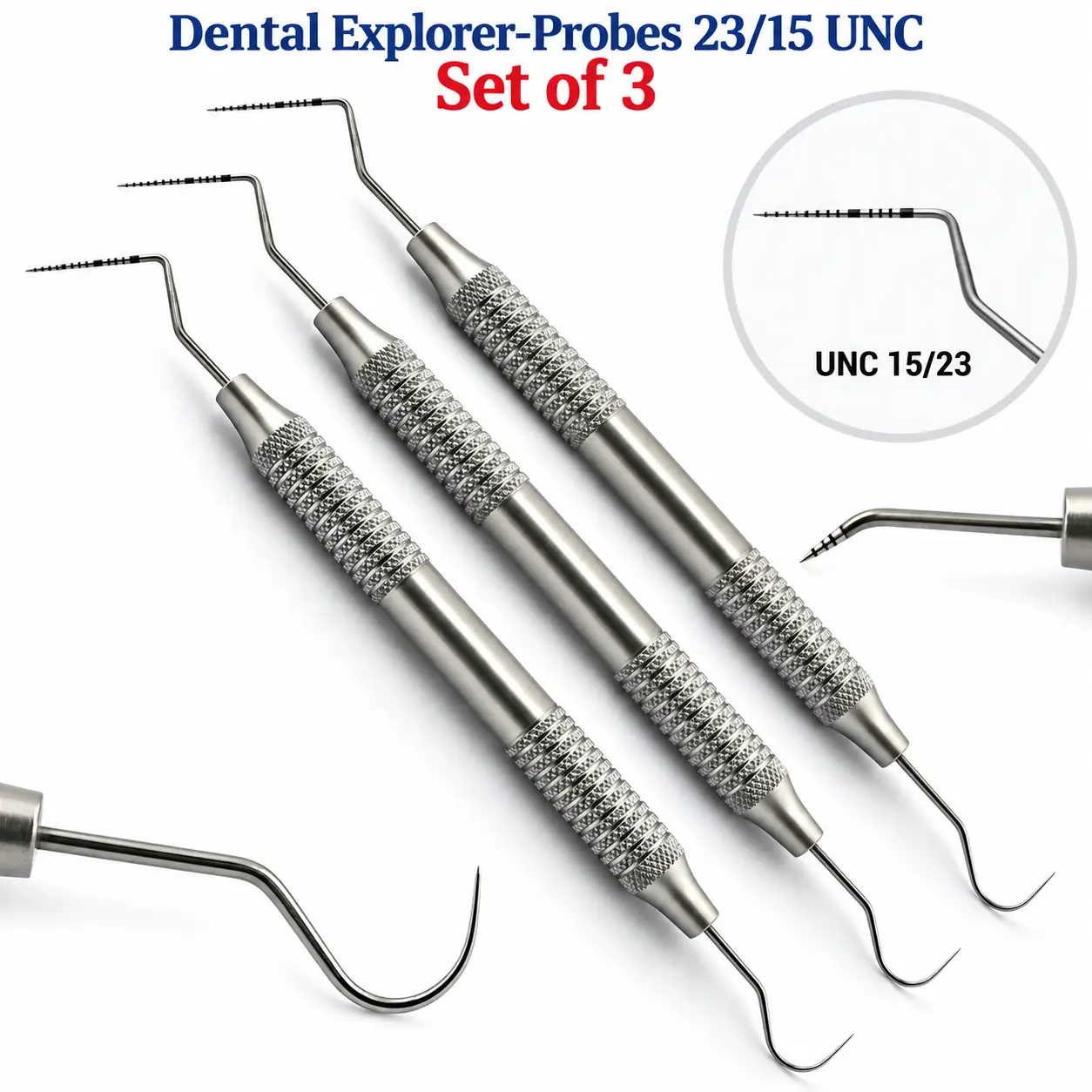
3x Dental Explorer-Probe 23/15UNC – Double-Ended
$30.23
100 in stock (can be backordered)
Title Qty After Discount Price Buy 2 Get 5% Discount 2 $28.72 Buy 3 Get 8% Discount 3 $27.81 Buy 4 Get 10% Discount 4 + $27.21 -
 In Stock0
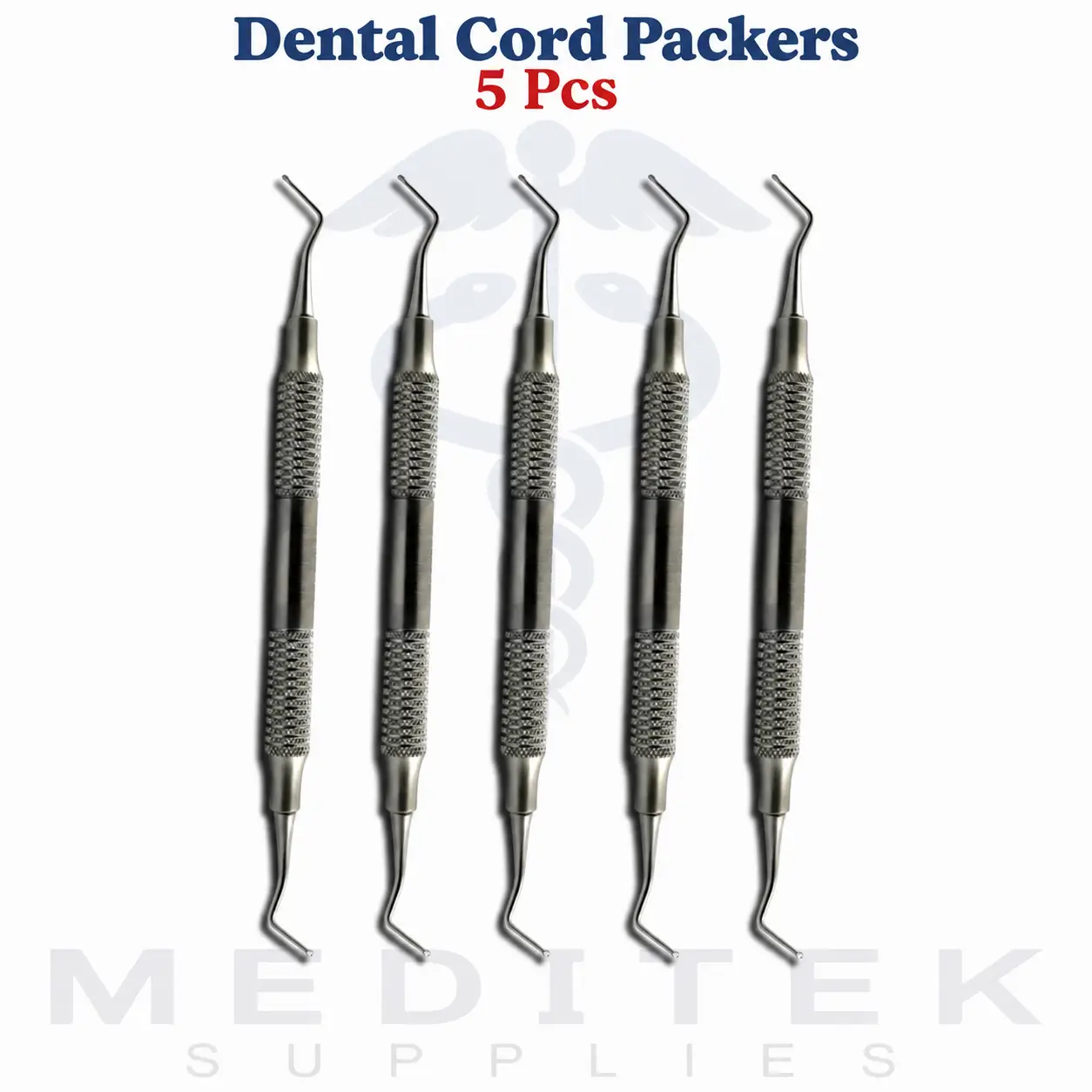
5 PCs Dental Cord Packer Small Tip Gingival Atraumatic Retraction Instruments
$47.99
100 in stock (can be backordered)
Title Qty After Discount Price Buy 2 Get 5% Discount 2 $45.59 Buy 3 Get 8% Discount 3 $44.15 Buy 4 Get 10% Discount 4 + $43.19 -
 In Stock0
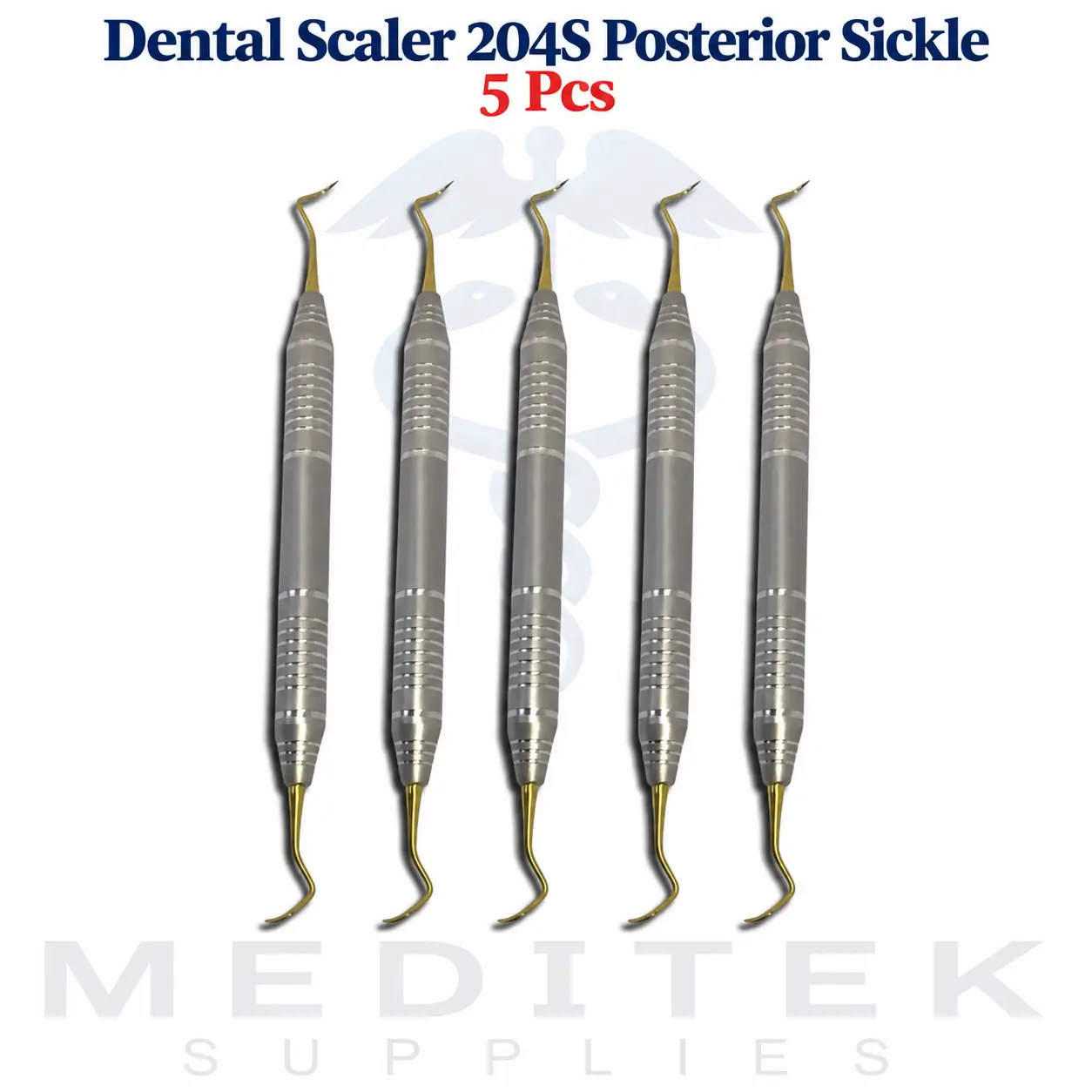
5 PCs Dental Scaler 204S Posterior Sickle #204S Instruments
$54.99
200 in stock (can be backordered)
Title Qty After Discount Price Buy 2 Get 5% Discount 2 $52.24 Buy 3 Get 8% Discount 3 $50.59 Buy 4 Get 10% Discount 4 + $49.49 -
 In Stock0
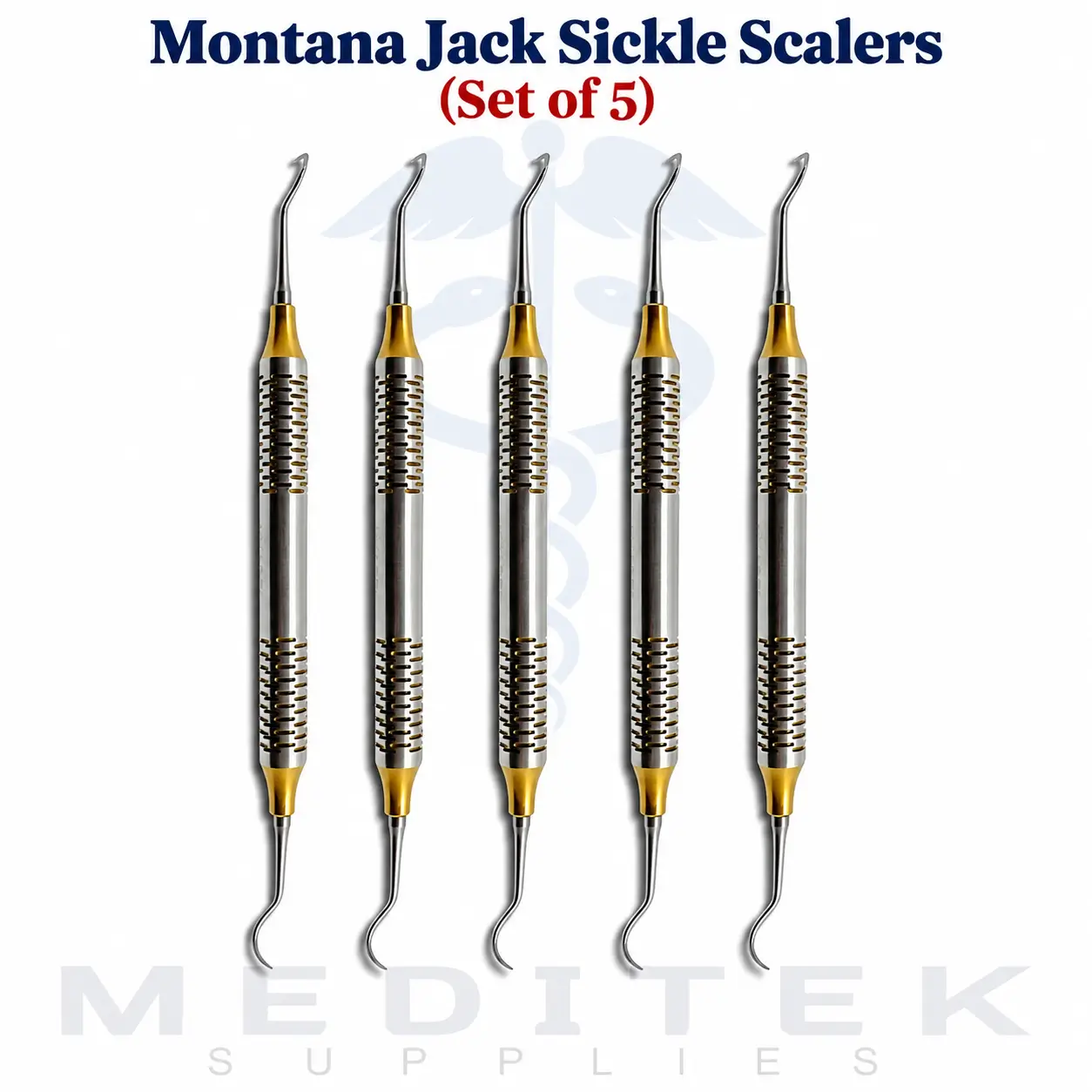
5 X Periodontal Montana Jack Sickle Scaler Light Double Ended Dental Instruments
$84.99
150 in stock (can be backordered)
Title Qty After Discount Price Buy 2 Get 5% Discount 2 $80.74 Buy 3 Get 8% Discount 3 $78.19 Buy 4 Get 10% Discount 4 + $76.49 -
 In Stock0
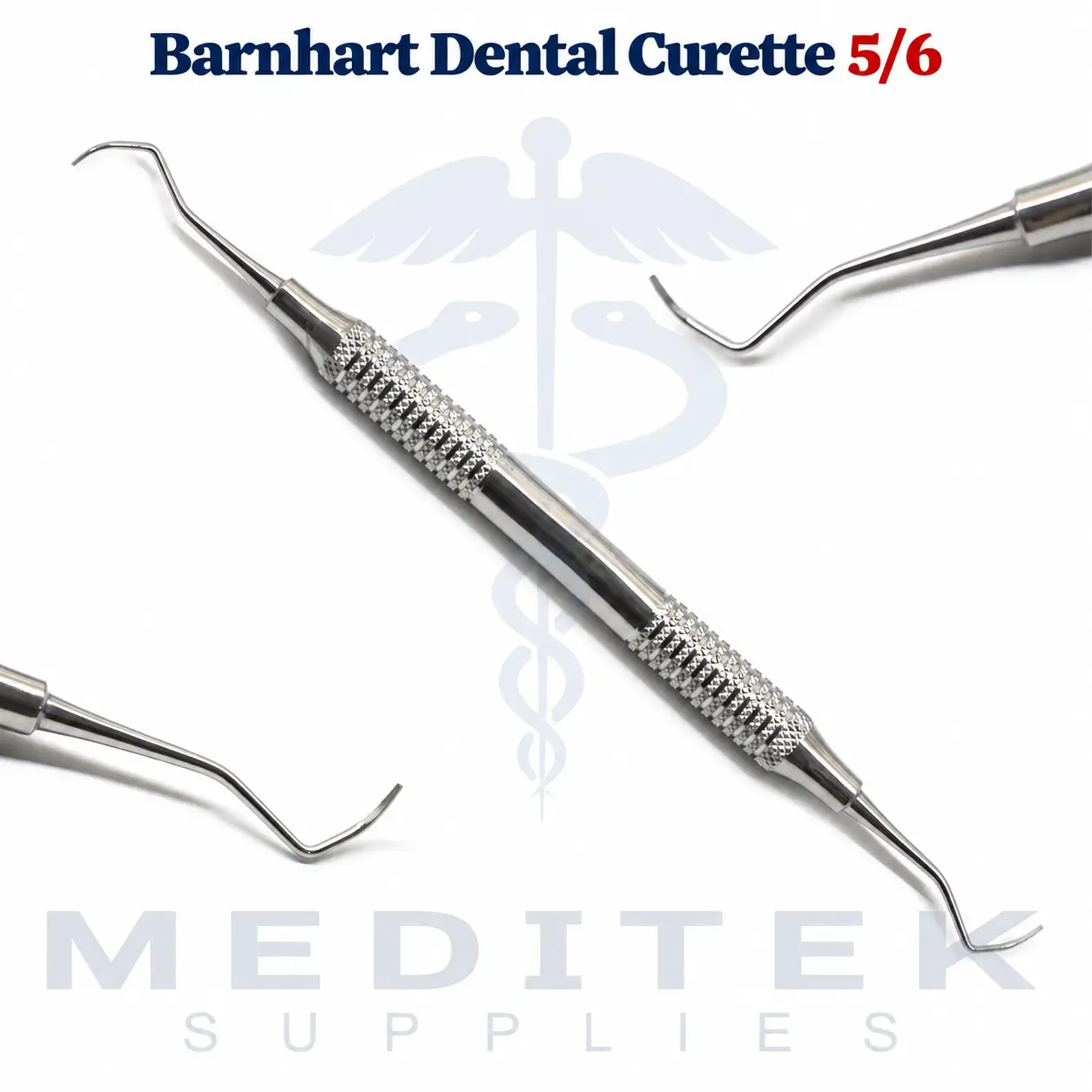
5/6 Barnhart Universal Dental Curette – Double Ended Hollow Handle
$21.49
150 in stock (can be backordered)
Title Qty After Discount Price Buy 2 Get 5% Discount 2 $20.42 Buy 3 Get 8% Discount 3 $19.77 Buy 4 Get 10% Discount 4 + $19.34 -
 In Stock0
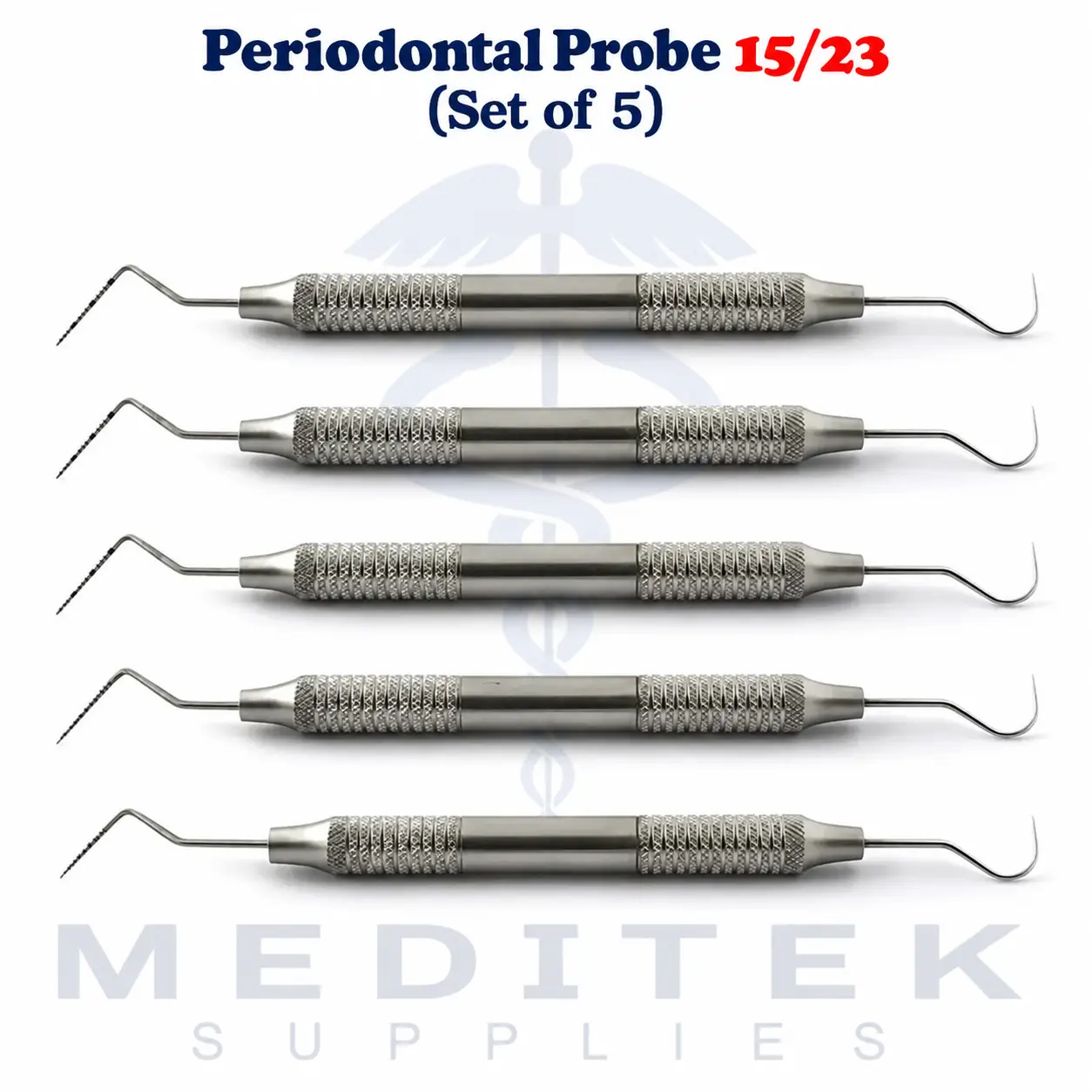
5PCS UNC 15/23 Color-Coded Periodontal Probe Set – Ergonomic Hollow Handle Kit
$54.99
100 in stock (can be backordered)
Title Qty After Discount Price Buy 2 Get 5% Discount 2 $52.24 Buy 3 Get 8% Discount 3 $50.59 Buy 4 Get 10% Discount 4 + $49.49 -
 In Stock0
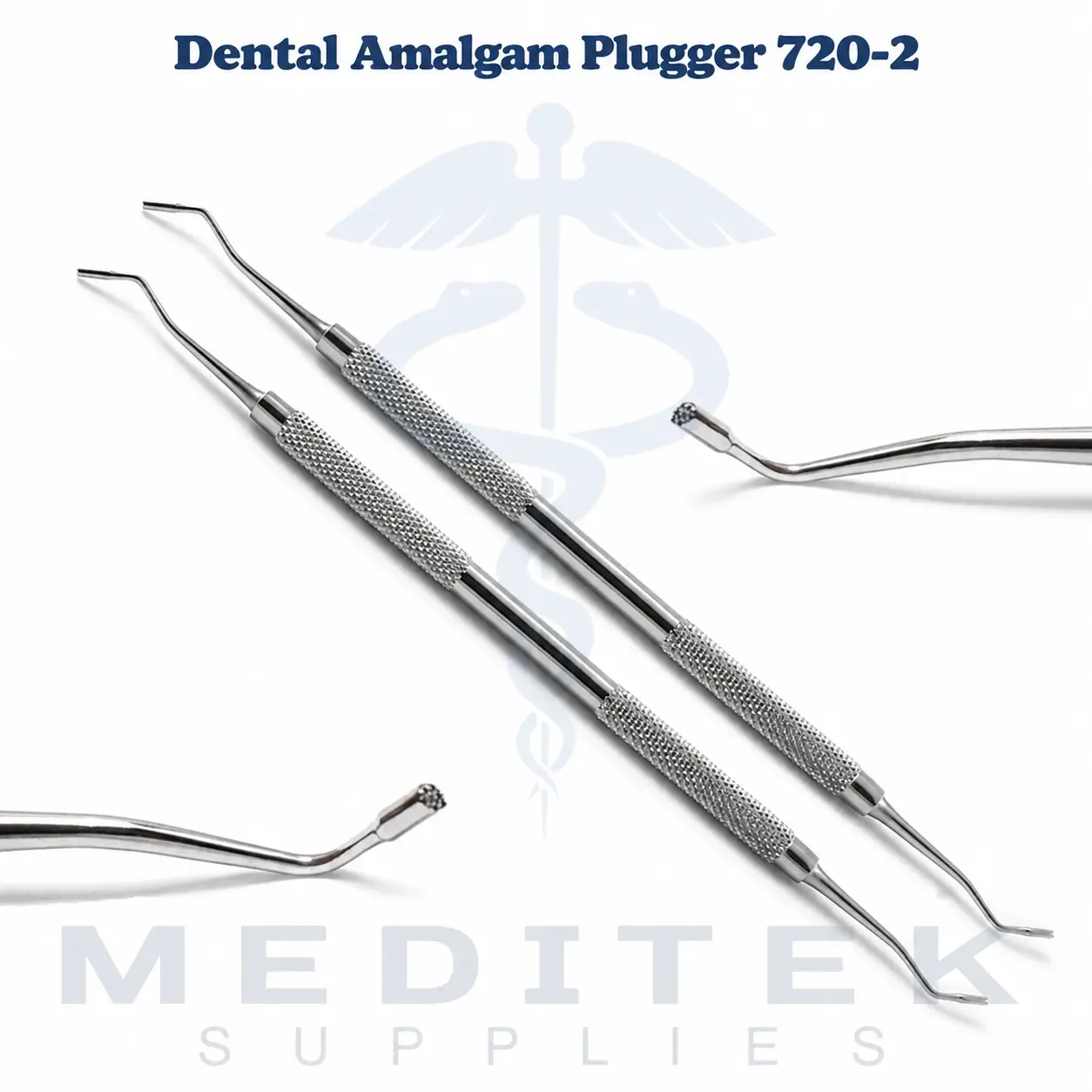
Dental Amalgam Plugger 720-2 Serrated Double Ended Composite Filling Instrument
$14.99
100 in stock (can be backordered)
Title Qty After Discount Price Buy 2 Get 5% Discount 2 $14.24 Buy 3 Get 8% Discount 3 $13.79 Buy 4 Get 10% Discount 4 + $13.49 -
 In Stock0
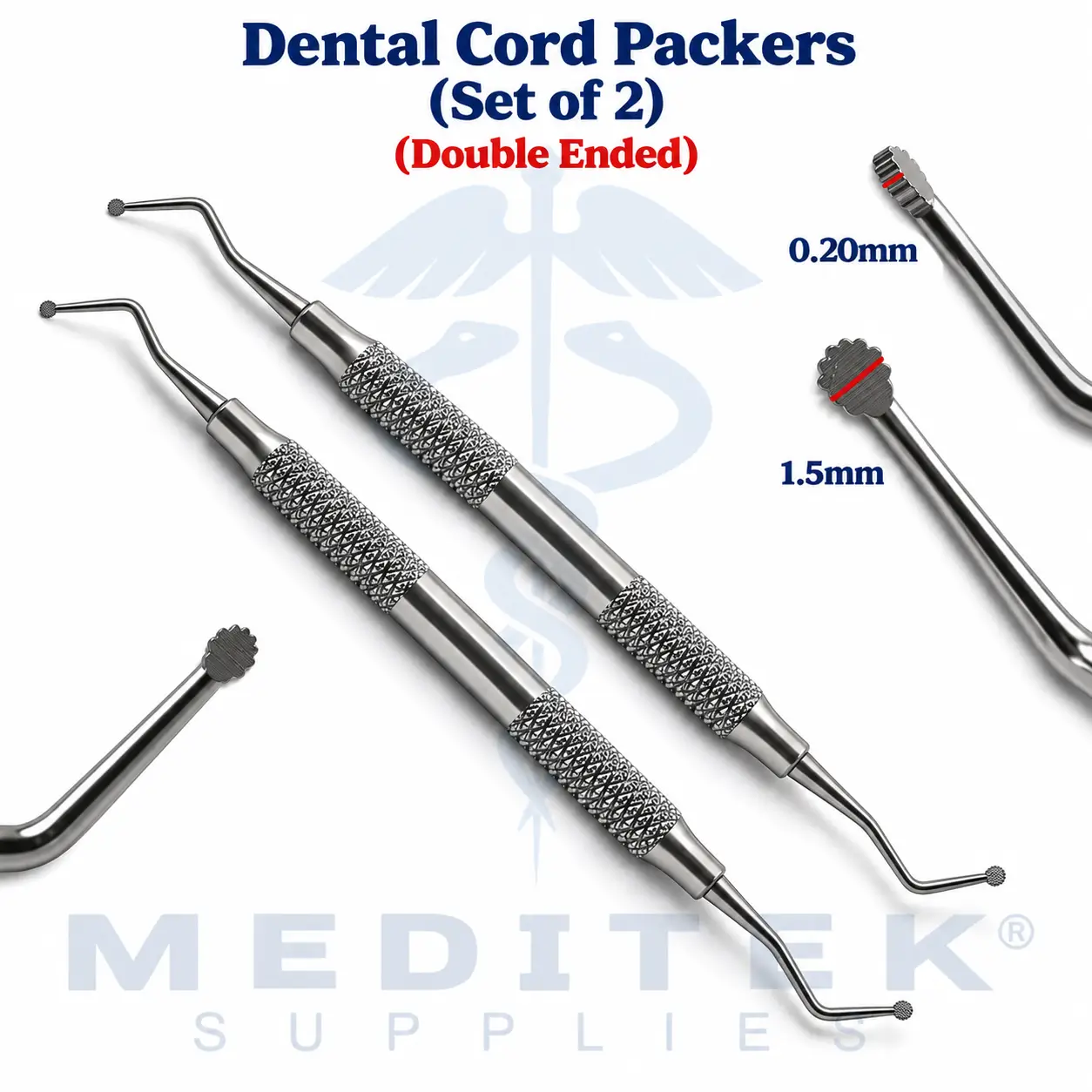
Dental Cord Packers for Gingival Retraction Instruments
$24.99
250 in stock (can be backordered)
Title Qty After Discount Price Buy 2 Get 5% Discount 2 $23.74 Buy 3 Get 8% Discount 3 $22.99 Buy 4 Get 10% Discount 4 + $22.49
Scalers and Curettes for Sale | CE-Certified, Free Shipping
Find precise scalers and curettes built for daily periodontal work. Every instrument in this collection is made from CE-certified 410/420 surgical stainless steel, so you get a sharp cutting edge and reliable calculus removal. Orders ship free across the US, and every order carries a 14-day return window and 24/7 support.
What Are Dental Scalers and Curettes
Every periodontal appointment comes down to two jobs: breaking up calculus and cleaning out the pocket underneath the gum. Scalers handle the first job, curettes handle the second, and most practices use both instruments back to back on the same tooth. That is why dental scalers and curettes almost always get grouped into one collection. If your day includes routine prophylaxis, deep scaling or full periodontal therapy, you are picking up something from this scalers curettes range on almost every patient.
The Difference Between Scalers and Curettes
Ask a few hygienists what makes a scaler different from a curette and most will point straight to the tip. It comes down to shape, and to where each instrument is safe to use.
Sickle Scalers
A sickle scaler ends in a sharp point, with a triangular blade and two cutting edges that meet at the tip. That point makes it good at chipping off heavy calculus fast, but it is also why you keep it above the gum line or right at the margin, since pushing it too far under the gum can nick soft tissue. Hold it at roughly 70 to 80 degrees against the tooth and let the point do the work.
Universal and Gracey Curettes
Curettes and scalers part ways at the toe. A curette has a rounded toe and a semicircular blade instead of a point, so it works into the periodontal pocket without cutting the gum around it.
Universal curettes keep things simple. The blade sits at 90 degrees to the shank, both edges cut, and the same instrument adapts to nearly any tooth in the mouth just by tilting it.
Gracey curettes trade that flexibility for precision. The blade is offset at 70 degrees and only the lower edge cuts, but each size is built for one surface. Reach for a Gracey 1/2 or 3/4 on anterior teeth, an 11/12 for the mesial side of a molar, and a 13/14 for the distal side.
Put them together and this is exactly how dental curettes scalers get used chairside: scale off the heavy deposits first, then finish with a curette so the root comes out smooth and easier to keep clean.
Our Curettes and Hand Scalers Range
We stock more than 25 scalers and curettes, which is usually enough to put together a complete operatory set in one order.
- Single ended and double ended options, so you can choose based on feel and how many instruments you want in a tray
- Universal curettes for everyday scaling and root planing
- Gracey style curettes for area specific work on anterior, premolar and molar surfaces
- Sickle style scalers built for fast removal of heavy calculus
- Combination sets that pair a scaler with matched curettes if you are setting up a new operatory from scratch
Why Dental Professionals Choose MediTek Supplies
A few things matter more than price when you are choosing instruments you will use dozens of times a day.
- Made from 410/420 grade surgical stainless steel, so the cutting edge holds up under regular sharpening
- CE certified for professional dental use
- Backed by a company that has supplied dental clinics since 2017 and served more than 1,000 clinics so far
- Free US shipping with no minimum order
- 14 days to return an instrument that does not suit your workflow
- Support available 24/7 if you have a question about an order
Caring for Your Scalers and Curettes
A dull instrument is a slower one. Once the edge rounds off, you press harder to remove the same calculus, which tires your hand and makes it easier to burnish tartar onto the root instead of lifting it off.
- Run a fine grit stone over the edge every few uses, keeping the original blade angle
- Clean instruments in an ultrasonic bath before they go into the autoclave, so debris does not bake onto the shank
- Store curettes and scalers in a cassette or pouch instead of a loose drawer, since metal on metal chips the tips
- Once a curette loses its original shape from repeated sharpening, it is time to replace it
How to Choose the Right Scalers and Curettes for Your Practice
- If you are dealing with heavy calculus, start with a sickle scaler and finish with a curette for the fine work underneath the gum
- If you want one curette that covers most situations, go universal. If you want the sharpest adaptation to a specific tooth, go Gracey and expect to carry a few more instruments
- Single ended instruments feel lighter in the hand, double ended instruments mean fewer pieces to keep track of in the tray
- Do not overlook the handle. A wider silicone grip makes a real difference over a full day of scaling appointments
- If you are setting up a new operatory, a matched set is usually easier than piecing one together instrument by instrument
Frequently Asked Questions
What is the difference between scalers and curettes?
The tip gives it away. Scalers end in a point and are made for calculus sitting above the gum line. Curettes have a rounded toe instead, which is what makes them safe to use below the gum during root planing.
When should I use a scaler instead of a curette?
Start with a scaler when there is heavy calculus to chip away, especially above the gum line. Once you move below the gum or need to smooth the root, switch over to a curette.
What is the difference between Gracey and universal curettes?
A universal curette has two cutting edges and works reasonably well on most surfaces, so it makes a good general purpose choice. A Gracey curette only cuts on one edge but is shaped for a specific surface, like the mesial or distal side of a molar, which is why perio focused practices often carry several sizes.
Can dental scalers and curettes be sterilized between patients?
Yes. Since these are surgical grade stainless steel, they go through a normal ultrasonic clean and autoclave cycle like the rest of your instrument tray.
What material are MediTek scalers and curettes made from?
410/420 grade surgical stainless steel, and every instrument is CE certified for professional dental use.
Does MediTek offer free shipping on scaler and curette orders?
Yes, shipping is free anywhere in the US with no minimum order, and you get 14 days to return anything that does not work out.
Complete Your Scalers and Curettes Kit
Whether you need one extra Gracey curette or a full scaling and root planing set, this collection covers what a periodontal appointment needs. Every instrument is CE certified 410/420 stainless steel, ships free across the US, and comes with 24/7 support and 14 days to send it back if it is not right. Browse the range and put together the sickle scalers, universal curettes and Gracey curettes that fit how your practice works.
Related Categories (internal links)
Scaling rarely happens in isolation. Pair this range with our Sterilization Cassettes to keep everything organized for autoclaving, and check out our Composite Filling Instruments for the restorative work that often follows a cleaning. Practices doing surgical periodontal treatment may also want to look at our Dental Surgery Kits and Scissors & Forceps.

 Home
Home  Shop
Shop  About
About  Contact